Top Takeaways
>> Most coffee bags can’t be recycled at home because they contain mixed materials (mainly aluminium foil and plastic).
>> Even paper coffee bags with a thin foil lining are classified as ‘composite’ packaging. This means that the two materials cannot be separated and recycled.
>> More recyclable coffee packaging is entering the market. Materials include LDPE packaging, paper or kraft paper coffee bags and omnidegradable packaging.
Coffee bag recycling is a bit of minefield. Some bags have the recycling symbol, some say they aren’t recyclable and others say they’re even compostable.
Generally speaking, mainstream coffee bags are some of the hardest products to recycle from home.
This article will talk you through why they’re so difficult to recycle and the options you have. We’ll answer the most commonly asked questions on coffee bag recycling and bust some persistent myths around the topic.
Are coffee bags recyclable?
So, are coffee bags recyclable?
The simple answer is, no most coffee bags are not recyclable.
If you’re dealing with a foil-lined composite coffee bag, your recycling opportunities will be quite limited. If not non-existent.
However, that doesn’t necessarily mean you’ll have to chuck all your coffee bags in the bin or find creative ways to reuse them.
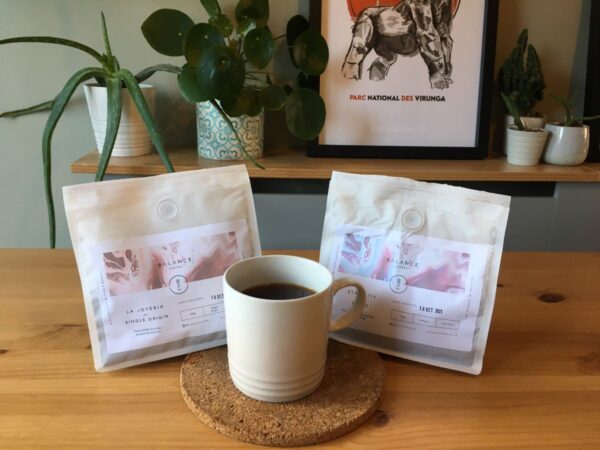
It’s possible to get recyclable coffee bags, such as these recyclable LDPE coffee bags below from Balance Coffee.
What are the different types of coffee bags?
Different types of coffee bags need different approaches when it comes to recycling.
The majority of coffee packaging is ‘flexible’ rather than rigid, being made out of plastic, paper, or a mix of foil and plastic.
The nature of the packaging is essential when it comes to retaining the flavour and aroma of the coffee beans. Choosing a coffee bag that will meet eco-friendly requirements without sacrificing quality can be a tall order for both independent and mainstream retailers.
This is the reason why most coffee bags will be made out of a multi-layer structure, combining two different materials (commonly aluminum foil and classic polythene plastic) to preserve the bean quality of the beans and increase bag durability. All this while remaining flexible and compact for easy storage.
In the case of foil-and-plastic coffee bags, the two materials are virtually impossible to separate in the same way you would with a carton of milk and its plastic cap. This leaves those who are looking to live a more sustainable life with little to no alternative than leaving their coffee bags to end up in the landfill.
Are foil-lined coffee bags recyclable?

Unfortunately, the popular foil-lined plastic coffee bags cannot be recycled through your council’s recycling program.
This is also true for coffee bags that are primarily made out of paper and lined with just a little bit of aluminum foil on the inside.
While these materials can both be recycled when taken separately, the issue with coffee bags is that they’re classified as ‘composite’ packaging. This means that the two materials cannot be separated and, in turn, recycled in any way. Learn more about other materials on our recycling resource guide.
Composite packaging is one of the most unsustainable packaging options used in the food and drink industry. That’s why initiatives like TerraCycle are trying to find a solution to the problem once and for all.
You’d hope most ethical coffee companies would use a recyclable bag, but this isn’t always the case. As technology evolves, I’m sure many companies will start to use environmentally friendly coffee bag packaging.
Is the land changing with recyclable coffee bags?
Hopefully we’re set to see positive change with more sustainable eco coffee packaging in the next few years.
The British Coffee Association (BCA) has unveiled plans for implementing zero-waste packaging across all coffee products by 2025, furthering the UK government’s vision for more efficient waste management and circular economy practices.
Types of recyclable coffee bags and eco packaging
Thankfully, there are more and more eco friendly coffee bag options entering the packaging market.
The most popular eco coffee packaging that can be recycled include:
- LDPE packaging
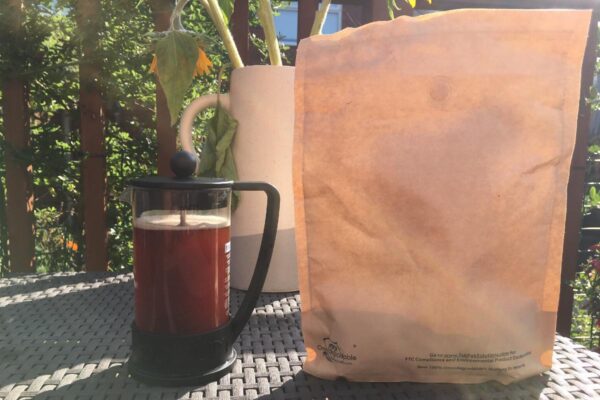
- Paper or kraft paper coffee bags
- Compostable coffee bags
- Omnidegradable packaging
LDPE packaging
LDPE is a recyclable type of plastic. Coded as number 4 on the plastic resin codes, LDPE stands for low-density polyethylene.
LDPE is a good choice for a recyclable coffee bag. But if you’re looking to be as eco friendly as possible, it’s still a type of single-use thermoplastic made with fossil fuels.
To recycle LDPE coffee bags, you’ll have to take it or send it to a specialist recycling facility.
I’ve personally bought coffee packaging in an LDPE bag. You can read my article on Balance Coffee and Cafedirect review here.

Coffee paper bags
If your go-to coffee brand offers coffee bags made out of 100% paper, they can easily be recycled like you would any other paper packaging.
With just a quick Google search, you can find a number of different retailers offering Kraft paper packaging, which are biodegradable coffee pouches made out of wood pulp. Kraft paper is a easily recyclable material. Check out more material sustainability here.
However, look out for foil lined kraft paper coffee bags, which won’t be recyclable due to their multi-material layers.
A pure paper bag is a good alternative for coffee lovers who want to use a natural material to make a recyclable coffee bags. With Kraft paper coffee bags you can throw your empty coffee bags in the regular rubbish knowing that they’ll degrade and disappear in roughly 10 to 12 weeks.
The only issue with single layer paper bags is that they don’t keep coffee beans in the best condition for a long period of time. So, it’s a good idea to get coffee in paper bags that has been freshly ground.
Compostable coffee bags
You can now get compostable coffee bags that can go into your compost pile or into the green waste bin collected by the council.
Some kraft paper coffee bags are compostable, but they need to be a completely natural and unbleached.
A common type of compostable coffee bag packaging comes in the way of PLA. PLA stands for polylactic acid, which is a type of bioplastic.
As the name suggests, bioplastics are a kind of plastic but made from natural, renewable resources rather than fossil fuels. Plants used to create bioplastics include corn, sugarcane and potato.
Some coffee brands might market their coffee bag packaging as fast-compostable while coating the inside with the same foil and polythene blend you’ll find in non-compostable packaging, leading to a product that’s only part fast-degradable.
Look out for sneaky greenwashing claims that are labelled as ‘biodegradable’ or ‘compostable’ but aren’t actually in the real world. You can check out more terms and their proper means on my A-Z Eco Glossary.
For this reason it’s better to look out for certified compostable packaging.

Omnidegradable packaging
Omnidegradable packaging offer a 100% plant-based biodegradable material, free from any glues and hidden plastics.
Omnidegradable, as used by Voyager Coffee which I’ve sampled, is also a compostable type of packaging, meaning it can be naturally broken down where organic matter is returned to the soil.
You should keep in mind, however, that there’s a reason why so many independent roasters and mainstream brands choose to create their coffee bags with a multi-layer structure. It’s the best way of keeping those precious coffee beans fresh and protected from humidity. You can read more here on my ethical coffee guide.
So, if you decide to start supporting paper and other single-layer packaging options, you should be doing plenty of research to make sure you’re storing your coffee in a way that won’t ruin its quality and signature taste!
Where can I recycle coffee bags?
Upcycling and sustainable packaging aside, there are still ways you can actively recycle coffee bags, even if they come in composite packaging.
As we previously mentioned, waste management initiatives like TerraCycle can take care of your foil-lined, composite packaging and recycle coffee bags as-is, separating each material to be recycled or composted.
While this might not be an accessible option for everybody, it’s definitely a start.

What can I do with empty coffee bags?
While finding a way to recycle coffee bags might be your top priority, there are still different ways you can reuse your empty coffee bags to combat single-use plastics and make a positive impact on circular, environmentally friendlier living.
You might want to reuse them as wrapping paper, portable lunch bags, or flexible containers for miscellaneous kitchen items.
Thanks to their durability, coffee bags also make for the perfect alternative to plant pots. Just pierce the bottom of the bag with a few small holes and fill it with enough soil to grow a small or even medium-sized house plant.
Those who are more creative and well-versed in everything DIY might even want to collect enough coffee bags to create intricate handbag designs, reusable shopping bags, or other upcycled accessories.
Tiny Eco Verdict
As you can see, we have a mixed bag so to speak.
Some types of coffee bags are recyclable, but are difficult to do so. A lot of coffee packaging is not recyclable due to it being multi-layered with different materials.
In a better step, some coffee bag packaging is compostable, which is a much more sustainable option.
As more independent roasters and the British Coffee Association continue to push for more sustainable coffee bag packaging, one can only imagine (and hope) how advanced solutions like plant-based compostable coffee bags might become in a few years’ time.
This will undoubtedly help both you and me recycle our coffee bags more easily!
And in the meantime, there will always be more upcycled plant pots we can add to the garden!
Related reads