Top Takeaways
>> Recycling kitchen roll all depends on how you use.
>> On its own kitchen roll is recyclable, but it’s generally not used on its own.
>> Most local council in the UK say kitchen roll is not recycle. Instead you should dispose of used kitchen roll in your general waste bin.
>> Small amount of kitchen roll (used to clean up organic materials and foods) are biodegradable and compostable.
If you use kitchen roll at home for wiping up spillages, cleaning and wrapping food, you’ll might be asking the question – can kitchen roll be recycled at home?
On its own, yes kitchen roll is recyclable. It’s also biodegradable and some of it is compostable too.
But who buys kitchen roll and throws it away without using it? Absolutely no one.
When it comes to recycling kitchen roll, it all depends on how you use it and what you wipe up! Keep reading to find out all. You can check the status on more materials with our recycling resource page.
Can you recycle kitchen roll at home?
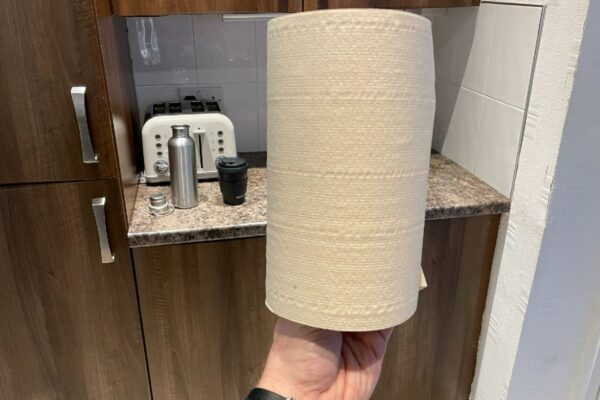
According to my local council, used kitchen roll should go into the general waste bin. London, Wales and Scotland’s recycling bodies all say kitchen roll should not be recycled.
So, as a general rule, no you can’t recycle kitchen roll at home.
Hmmm, not exactly what I wanted to hear. I bet it’s not what you wanted to hear either. Especially if you’re trying to live a more sustainable life.
However, some facilities will accept small amounts of used kitchen roll in with the food waste and garden waste. This will then go to an industrial composter to be broken down into soil and feed back into the Earth. Composting is always a much better environmental alternative.
Why can’t you recycle kitchen roll?
Thinking you can’t recycle kitchen roll is disappointing to hear. It feels like you should definitely be able to recycle it!
There are two reasons why kitchen roll can’t be recycled.
- Contaminated with non-recycled materials – The main reason that most kitchen roll can’t be recycled is because it’s been contaminated with food, spillages and household cleaning products. Adding all this material to the paper and cardboard recycling facilities can cause problems.
- Already made from recycled paper – You might not be able to recycle kitchen roll at home is that it’s already made from recycled paper.
Unlike materials that can be continuously recycled without a loss in quality – such as stainless steel, metal aluminium and glass for example – paper products lose integrity and quality upon each recycle. This is due to the fibres of the material which are broken down and become shorter when they are mulched at the recycling facility.
In brighter news, something that can definitely be recycled is the inner tube of the kitchen roll. As this is made from cardboard, you can add this central tube to your paper and cardboard bin when you’ve finished the roll.
Is it Biodegradable or compostable?
Ok, we shouldn’t really be putting kitchen roll in with our paper recycling.
As an alternative, is kitchen roll biodegradable instead?
Made almost entirely from plant fibres, kitchen roll is a fully biodegradable material. It’s also compostable. If you have a green waste or food waste bin that gets collected by your local authority you can deposit a small amount of kitchen roll in there.
Again, as with recycling kitchen roll, it depends on how the roll is used.
For example, if you’re spraying chemical-heavy cleaning products and wiping down, the biodegradability of kitchen roll may be impacted.
If kitchen roll is used with food waste, then yes it’s biodegradable and compostable.
How I compost my kitchen roll waste
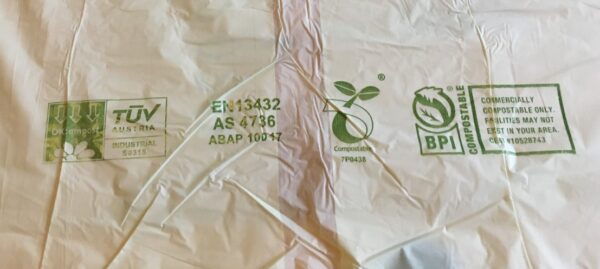
I put kitchen roll that’s been used for food waste into my council food waste bin. I try to keep the kitchen roll food waste deposits roughly even to leafy green waste.
It’s important to note that you should only put kitchen roll in your food waste bin that has been used to clean up food products rather than any inorganic compounds (like chemical cleaners).
If you have a home compost pile, you can also compost kitchen roll here. Coming from brown tree fibres, kitchen roll is a high carbon source, as opposed to leafy greens. Rip the kitchen roll up into smaller pieces to speed up the decomposing process.
As any compost pile needs to be kept in a fine balance, you’ll only be able to add so much kitchen roll to your compost heap. Again, make sure no kitchen roll with cleaning product contamination is making its way to the composter.
You can also add the inner cardboard tube to the compost pile. If you rip it up into smaller pieces first, it’ll biodegrade much faster.
kitchen roll and the environmental issues
You might be considering this kitchen if you’re conscious about running a sustainable kitchen. To tackle this question we first need to know what is kitchen roll is made of.
Most kitchen rolls are made from three main materials:
- New paper or recycled paper – it can even be made from sustainable bamboo these days too
- Cardboard inner tube – to wrap the paper around
- Bleach – to make the paper white
Whether kitchen roll is environmentally friendly depends on how each of these parts are manufactured. For example, using recycled paper kitchen roll is much more eco friendly than using virgin plant fibres.
If you’re considering the environment, it’s not a sustainable move to cut down trees to make new kitchen roll. It’s better if the paper comes from sustainably managed forests and if tree planting occurs after, but it’s not ideal.
You also have to consider that kitchen roll is a single-use item. As you’ve read above, once kitchen roll has been used once, it usually has to go in the general waste bin.
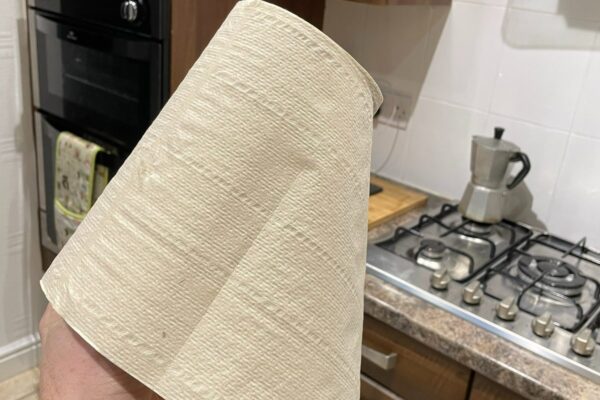
Bleached kitchen roll
There’s then also the bleaching aspect to give kitchen roll its white colour. Kitchen roll paper is bleached purely for the aesthetics and for no other real use. This is also true for similar items, such as coffee filter papers.
The main chemical used to bleach kitchen roll is chlorine. This process requires the use of chemicals and lots of water, which isn’t great for the environment. You can learn more on how environmentally friendly bleach is here.
Naked Sprout are a company who manufacture unbleached kitchen roll, as well as toilet roll. You can read my Naked Sprout review here.
Finally, kitchen roll tends to be packaged in plastic film. Plastic film is fossil-fuel based, intensive to make and notoriously difficult to recycle. A better option is to buy kitchen roll packaged in paper.
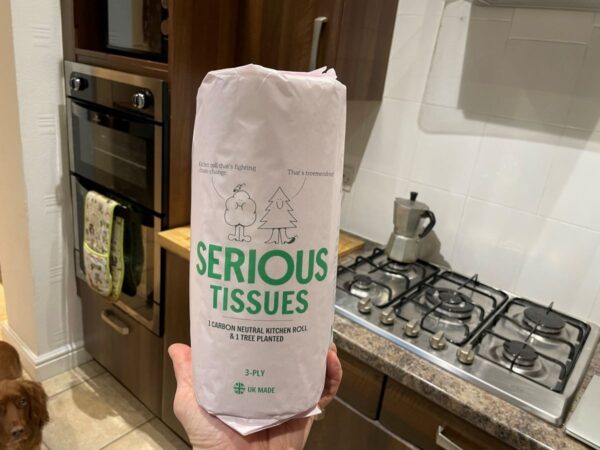
UK-based Serious Tissues do a good job using paper and cardboard boxes for all packaging. Read up on my Serious Tissues review here.
Where to buy eco friendly kitchen roll?
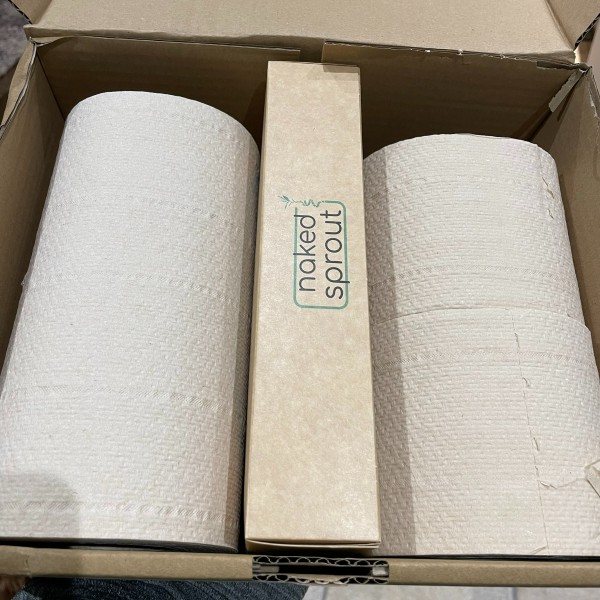
Yes, you can get your hands on eco friendly kitchen roll!
There are plenty of places to buy eco kitchen roll that are made in a more environmentally friendly way and with a lower carbon footprint. This includes unbleached, with bamboo and those made from recycled fibres.
Some of my favourite places to shop online, and where you can get eco friendly kitchen roll from, include:
- Serious Tissues – use the code TINYECO For 20% off
- Naked Sprout – use the code TINYECO for 10% off
- Ethical Superstore
- Cheeky Panda
- Big Green Smile
alternatives to standard kitchen paper
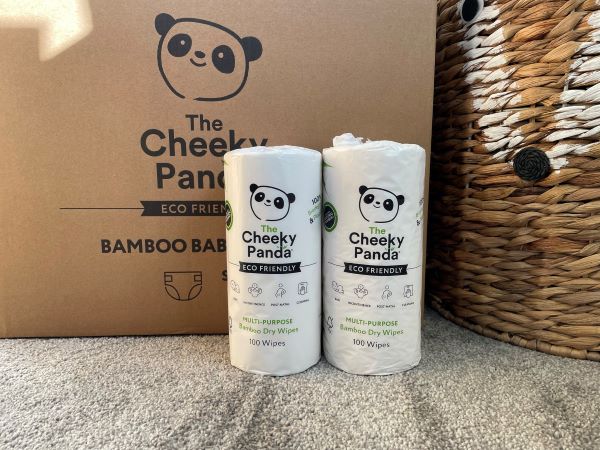
Alongside more eco friendly kitchen roll options, there are some great kitchen roll alternatives too.
- Reusable Kitchen Roll – Reusable kitchen roll is made from highly absorbent materials that can be machine washed (hopefully with eco detergent). Check out this reusable kitchen roll here.
- Reusable Cloths and Sponges – Now coming made from recycled materials, a reusable cloth can step in for single use kitchen roll on most jobs. You can even buy compostable sponges now which I’ve used and been really impressed by.
- Tea Towel / Kitchen Towel – The good old kitchen tea towel. Reusable, absorbent and known to do a tonne of jobs! You can get these made from 100% cotton. When they finally come to the end of their kitchen lives, there’s still plenty of use in the shed, garage and car for a used tea towel.
- Beeswax Wraps – If you use kitchen roll as a plate or to wrap food, try out beeswax wraps. These are made ethically and are highly reusable. I’ve been using mine for a number of months now.
Related reads
The Green Co review – Refillable, Powerful Plant-Based Cleaning Products
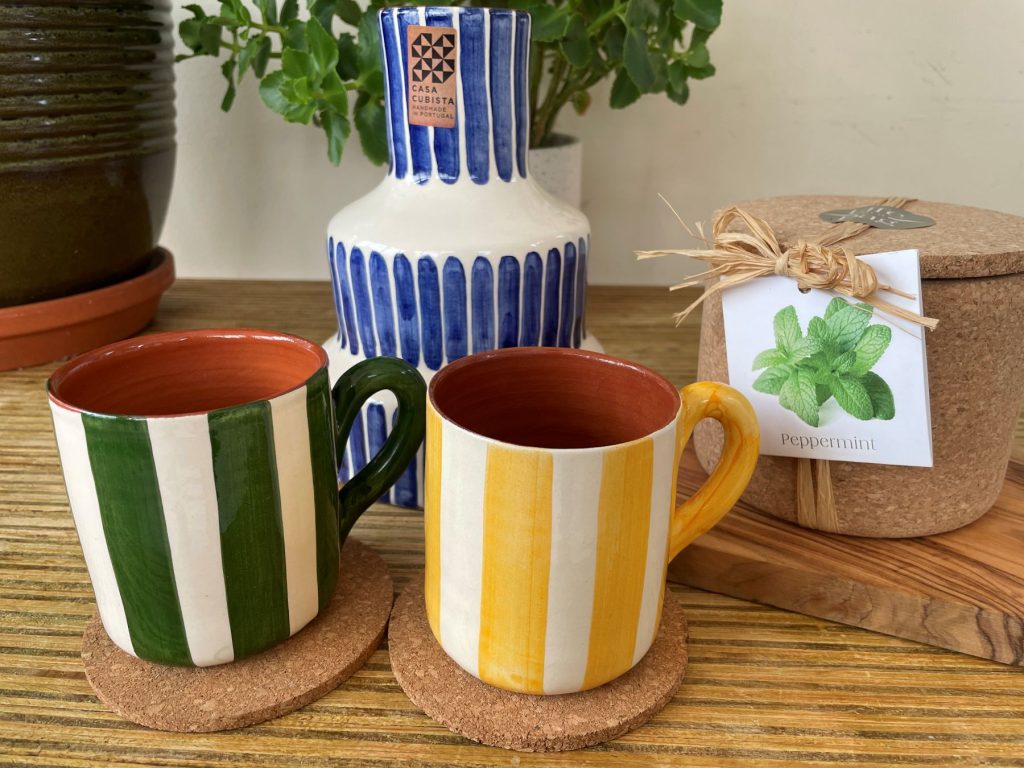
Handmade Portuguese Ceramics That Bring Mediterranean Warmth Into Your Home

#EatYourPumpkin Campaign: Let’s Stop Wasting Pumpkins This Halloween

L.A. Brewery Review: Sustainable, Award-Winning Non-Alcoholic Drinks

New Microwave-Safe Stainless Steel Containers (Zero Waste Game Changer?)

Ocean Bottle Expands With New Eco Friendly Tumblers and Travel Mugs